
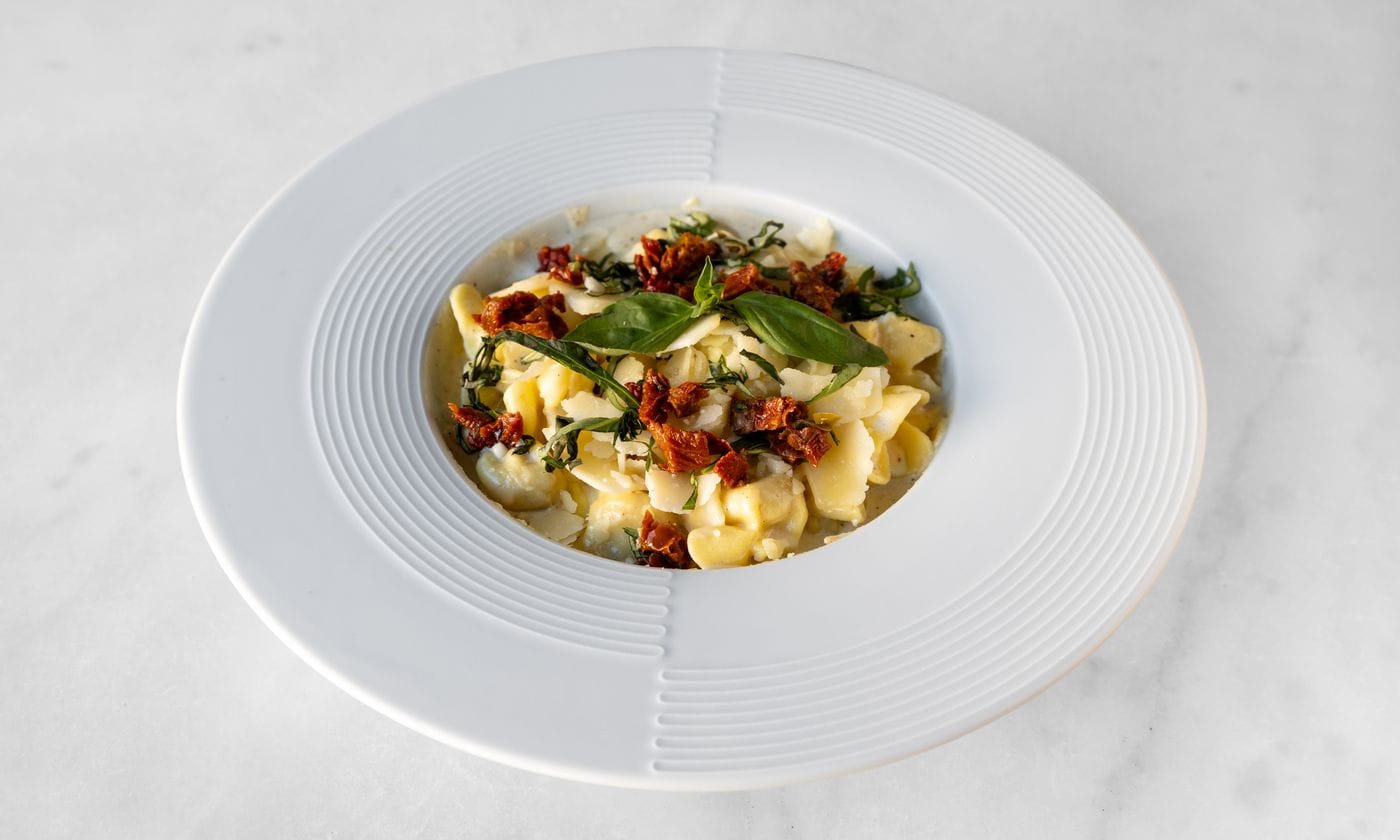
Fresh egg pasta: butter, cream, ragù
Tagliatelle al ragù, fettuccine with butter and parmesan.
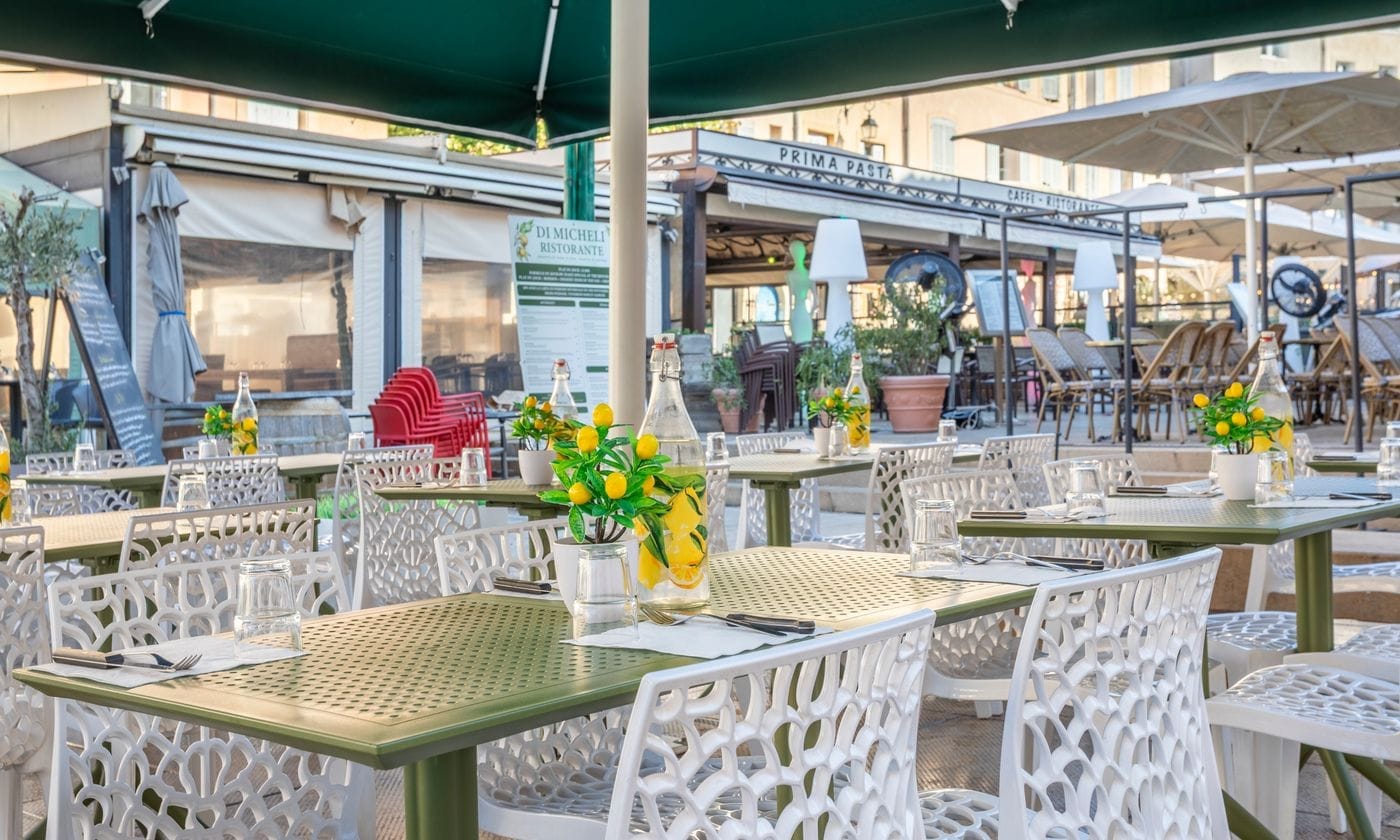
See you on Place des Cardeurs.
13 Place des Cardeurs, 13100 Aix-en-Provence
Lunch : 11h30-14h30
Dinner : 18h00-23h00
What really separates the two, from flour to plate, and why Italy never chose between them.
The short answer
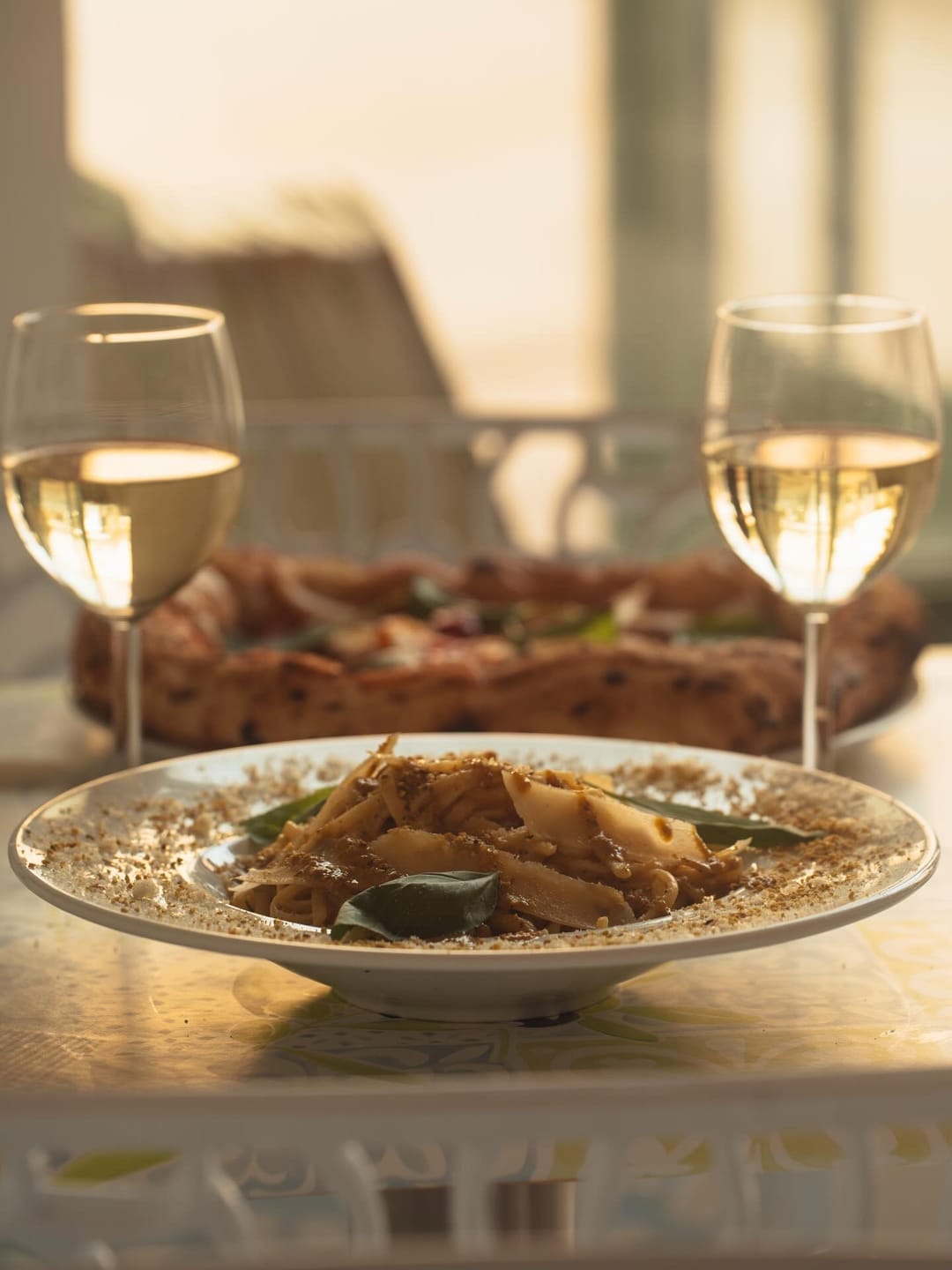
Dried pasta is made from durum wheat semolina and water, extruded then dried: it keeps for months and cooks in about ten minutes. Fresh pasta is often made from soft 00 flour and eggs, is not dried and cooks in a few minutes. Neither is better: they suit different dishes.
In Italy, each pasta has its dishes, its region and its cooking. We compare them point by point, then show what homemade pasta changes on the plate.
Two families: pasta secca, bought in packets, and pasta fresca, made the same day.
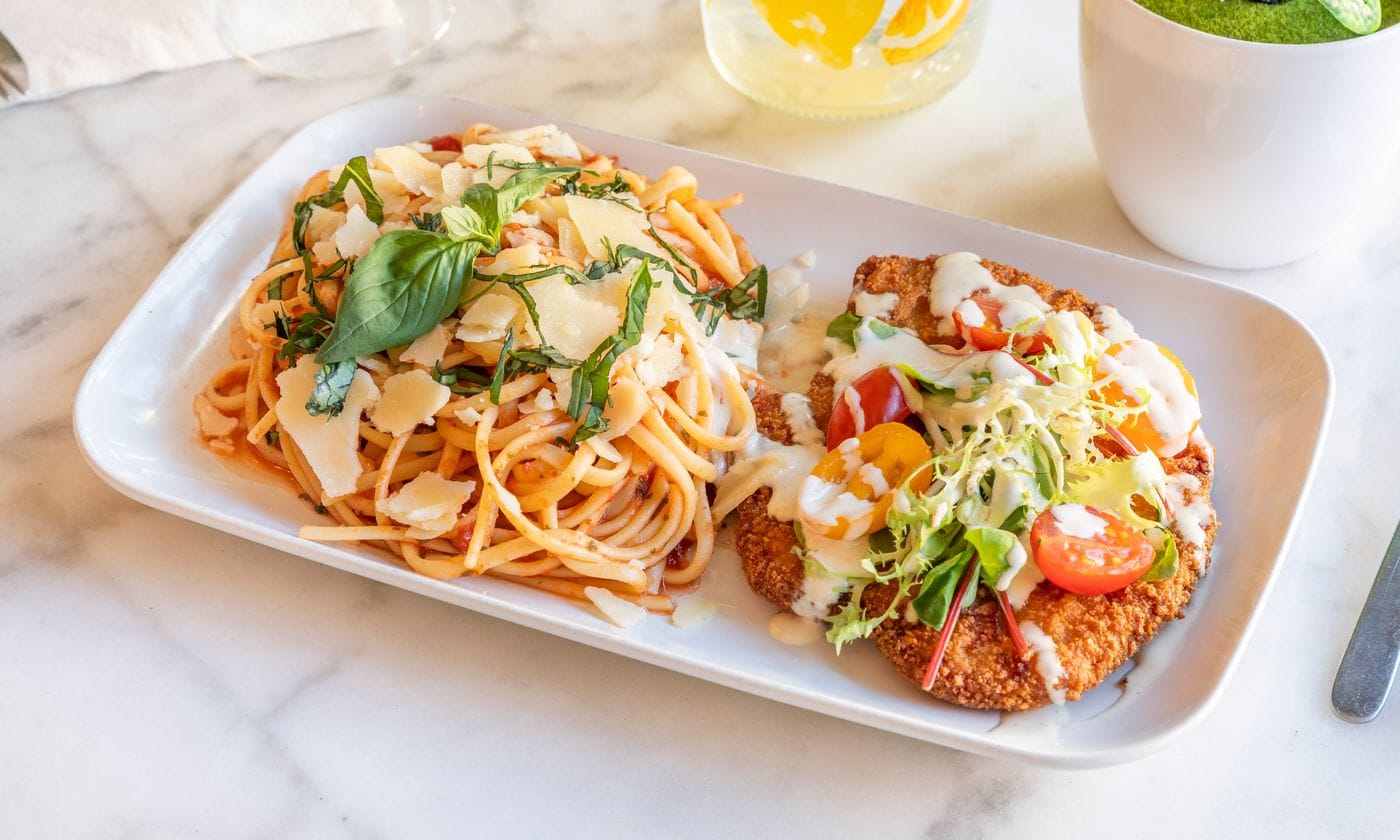
Durum wheat semolina and water, extruded through a die then dried. Italian law (1967) reserves the name for this recipe.
Northern egg pasta is kneaded, rested and rolled thin; Southern shapes like orecchiette use only semolina and water.
Filled pasta is almost always fresh; gnocchi, made with potato, cook like fresh pasta.
Six criteria, from pantry to plate.
| Criterion | Fresh pasta | Dried pasta |
|---|---|---|
| Ingredients | 00 flour and eggs, or semolina and water. | Durum semolina and water. |
| Texture | Tender, silky. | Firm, with bite. |
| Cooking time | A few minutes. | About ten minutes. |
| Storage | A few days chilled, or frozen. | Months in the cupboard. |
| With sauce | Rich butter, cream, ragù. | Olive oil, tomato, seafood. |
| Origin | Mostly the North. | Mostly the South. |
Dried pasta keeps a firm core; fresh egg pasta stays soft and silky.
Plenty of salted boiling water, then finish the pasta in its sauce.
Dried keeps for months; fresh for a few days, or frozen raw.
The pasta map follows the wheat map: durum wheat and dried pasta in the South, soft wheat and egg pasta in the North.
Today an Italian kitchen uses both, depending on the dish, not on quality.
Tender pasta absorbs rich sauces; firm pasta holds lighter ones. Traditional uses:
Tagliatelle al ragù, fettuccine with butter and parmesan.
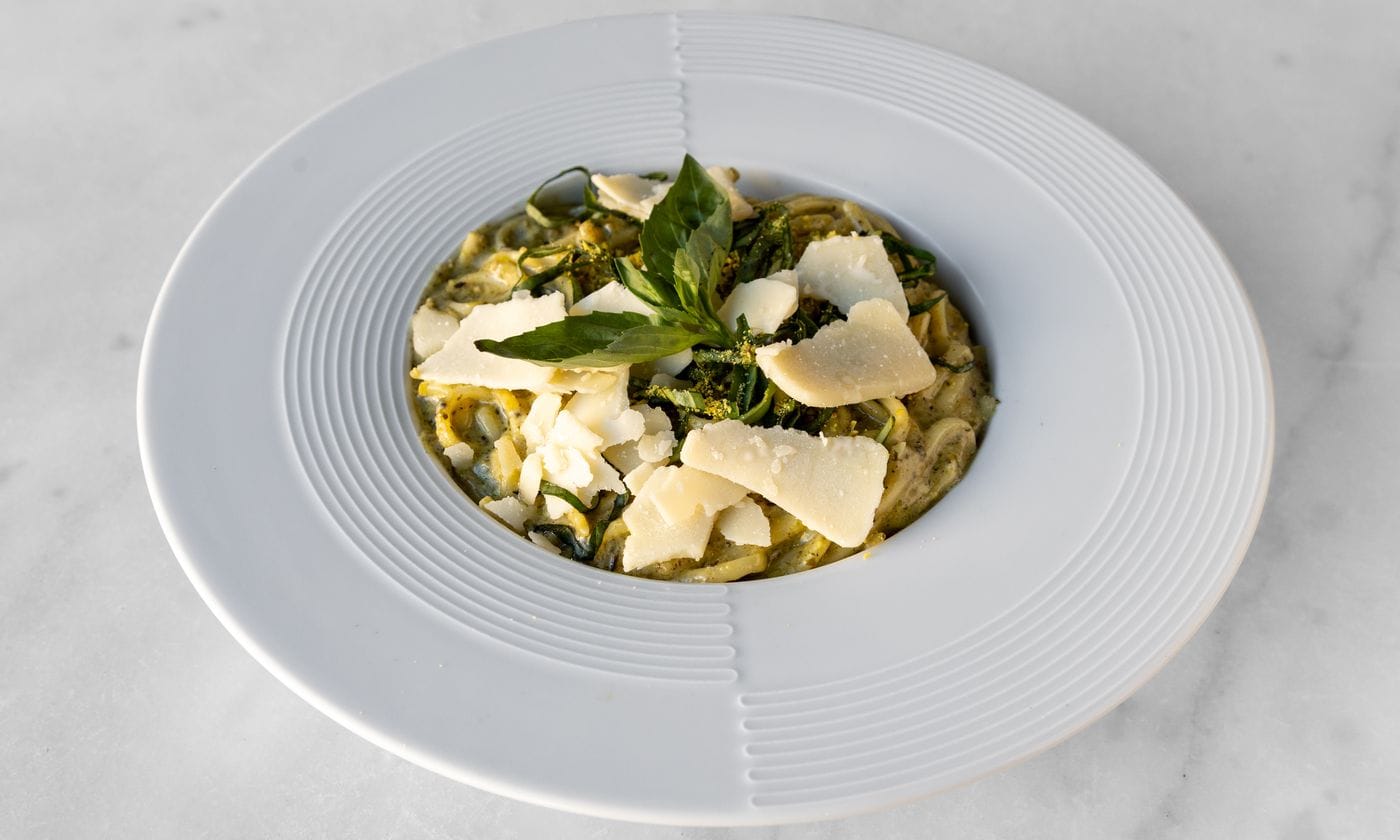
Spaghetti alle vongole, penne all'arrabbiata.
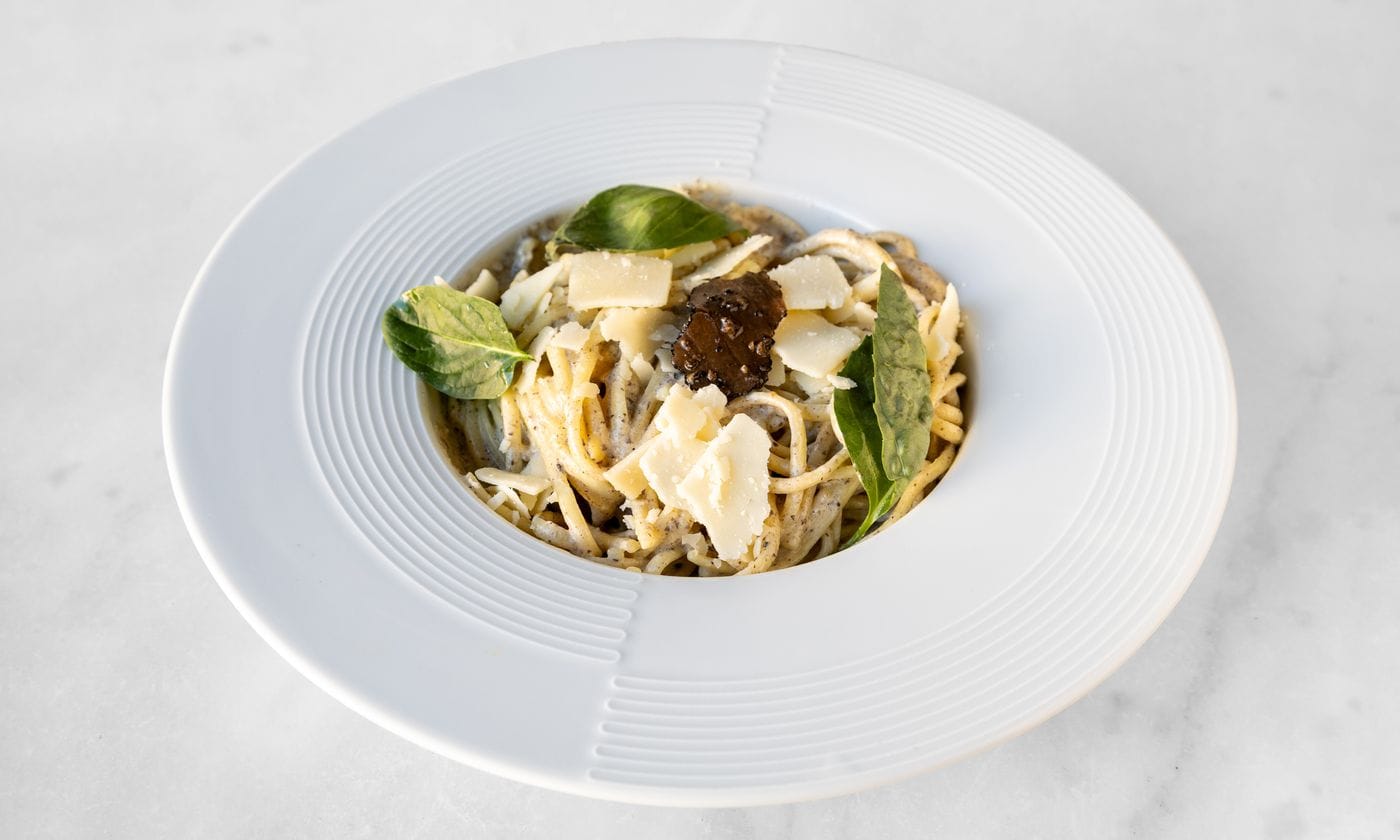
Pesto works with both; Roman carbonara uses dried pasta.
These are traditional Italian uses, not our menu.
Fact or fiction
Three beliefs worth nuancing.
No: the right pasta is the one that suits the dish.
Not necessarily: slow drying and bronze dies are real craft.
No: "fresh" means undried, not made on site.
Slow drying and bronze dies affect texture, without making ordinary dried pasta bad.
A few signs on the plate don't lie.
Supple, slightly porous.
Hand-cut pasta is never perfect.
Quick, and finished in the sauce.
Ask whether the pasta itself is made on site.
A short menu is often the sign of real work.
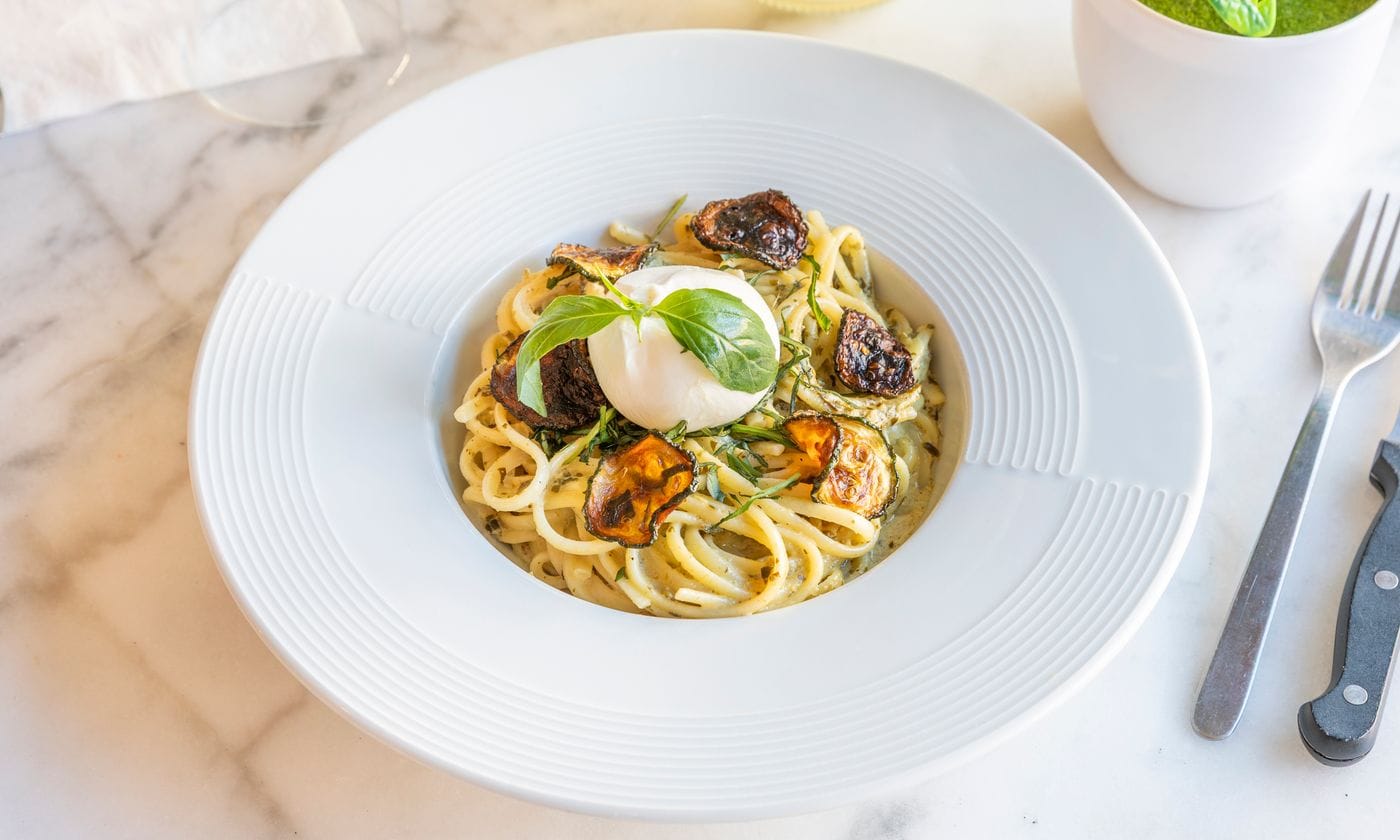
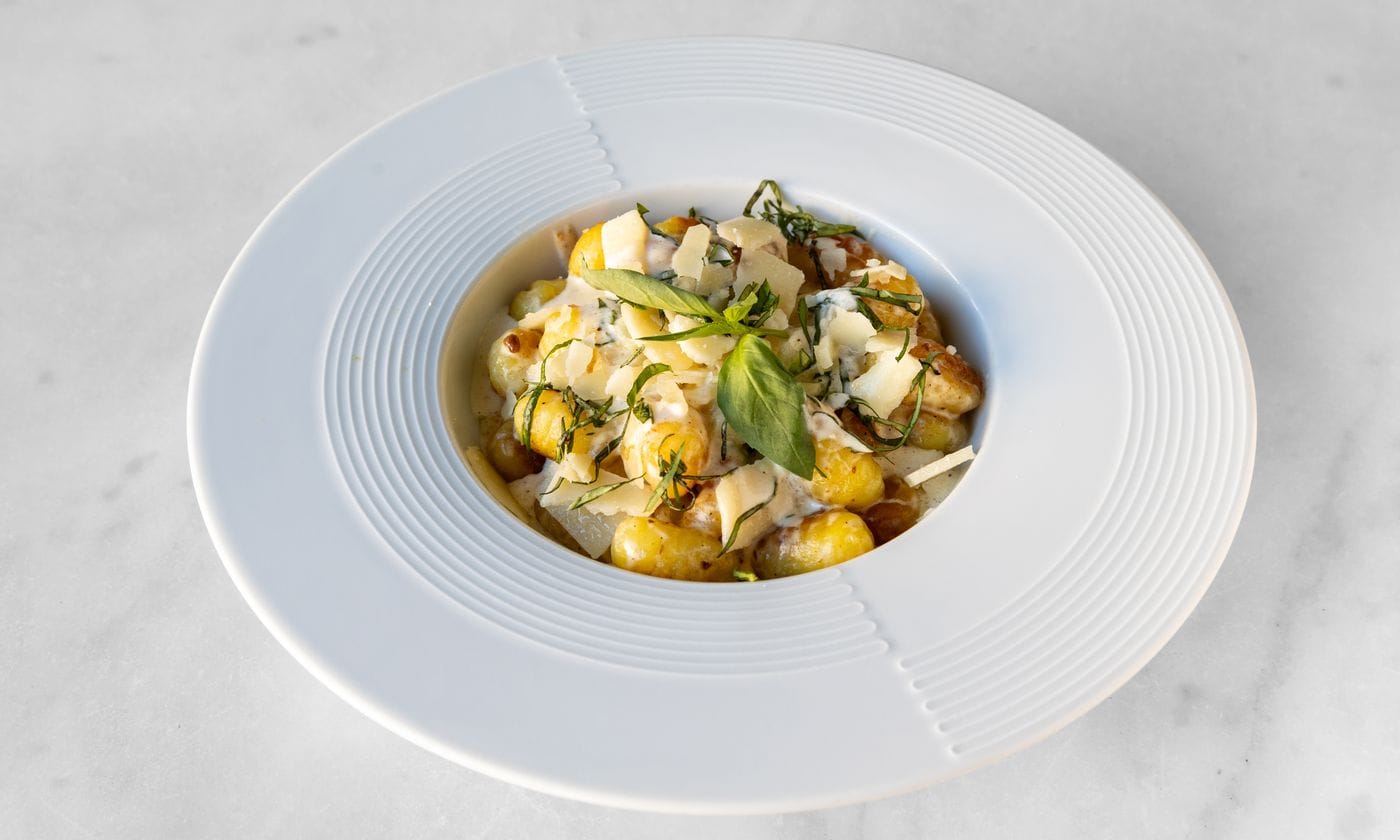
Our pasta is made in house and tossed to order; no frozen pasta, ever.
A short menu with fresh pasta, gnocchi and ravioli, such as Gnocchi al Tartufo.
A family trattoria opened in September 2021 in Aix-en-Provence.
Learn more about our homemade fresh pasta in Aix, or try our lunch menu.
Not necessarily: it depends on the recipe and the sauce.
A few minutes, then a minute in the sauce.
Yes, raw; cook it straight from frozen.
It comes from the durum wheat tradition of the South.
No: Southern fresh pasta uses semolina and water.
Look at the sauce: rich for fresh, lighter for dried.
Ready for the plate? Discover our fresh pasta in Aix-en-Provence, then book your table.
More reading on Italian cuisine.