
Antipasti singular or plural?
“Antipasto” is the singular, “antipasti” the plural. One antipasto is a single preparation; antipasti is the assortment served at the start. “Antipasti misti” is a mixed platter to share.
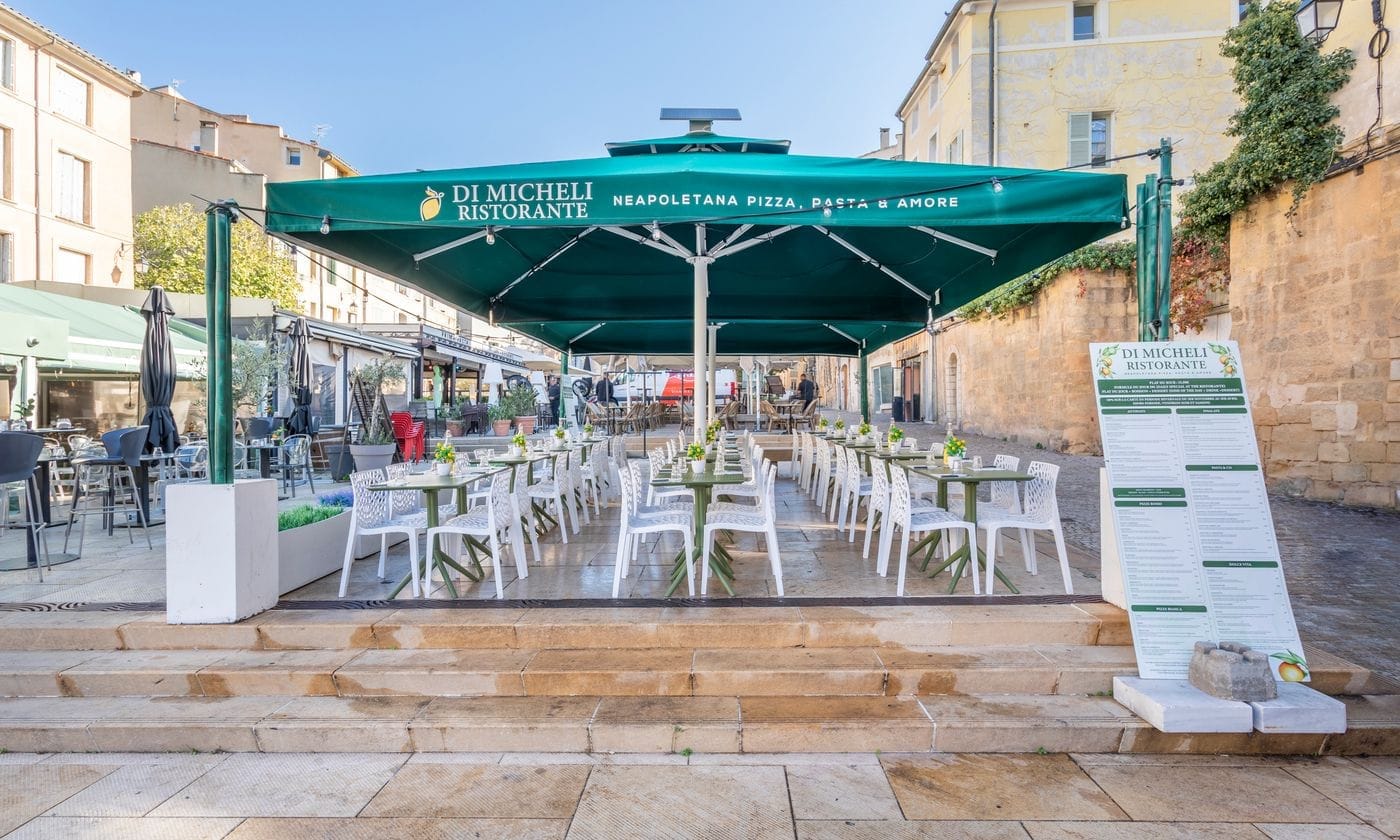
See you on Place des Cardeurs.
13 Place des Cardeurs, 13100 Aix-en-Provence
Lunch : 11h30-14h30
Dinner : 18h00-23h00
“Antipasti” literally means “before the meal”. A short guide to the first act of the Italian table: what the word means, what goes on it, and how to build a lovely platter to share.
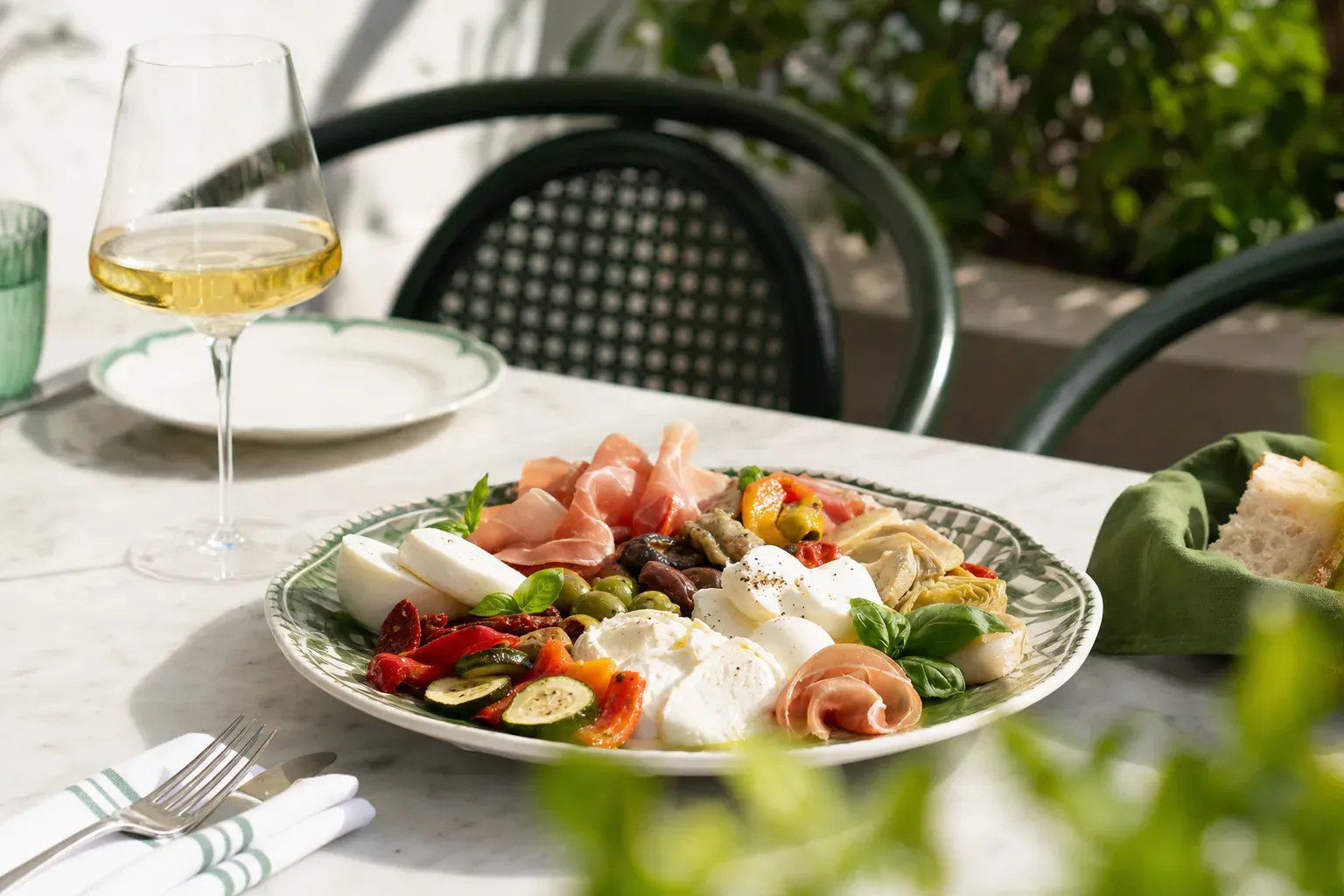
“Antipasti” literally means “before the meal”: the first act of the Italian meal, served before the pasta (primo) and the main course (secondo). It includes cured meats, cheeses such as mozzarella and burrata, marinated or grilled vegetables and bruschetta. Usually cold, sometimes hot, antipasti are shared in the middle of the table. Count three to five bites per guest and play with colours and textures.
“Antipasti” comes from the Italian anti (“before”) and pasto (“meal”): literally, what is eaten before the meal. Far from a mere nibble, the antipasto officially opens the Italian table and sets the tone.
In the classic Italian sequence, the antipasto comes first, before the primo (pasta, risotto or soup), then the secondo (the main course), with a contorno (vegetable side), before the dolce (dessert). It is a course in its own right, meant to awaken the palate.
That opening role explains the care given to it: a few simple, fresh products, lifted by olive oil, salt and basil. The logic is rightness, not abundance — and it is a social moment, plates in the middle, everyone helping themselves.
The French starter is an individual, plated dish; the antipasto is shared in the middle of the table.
The aperitivo is a moment of nibbling with a drink before sitting down. The antipasto can go with it, but it already belongs to the meal as its first course. Aperitivo whets the appetite, the antipasto opens the meal, the starter structures it.
In a trattoria the line stays soft: a platter of antipasti misti can serve as an extended aperitivo, then slide into the meal.
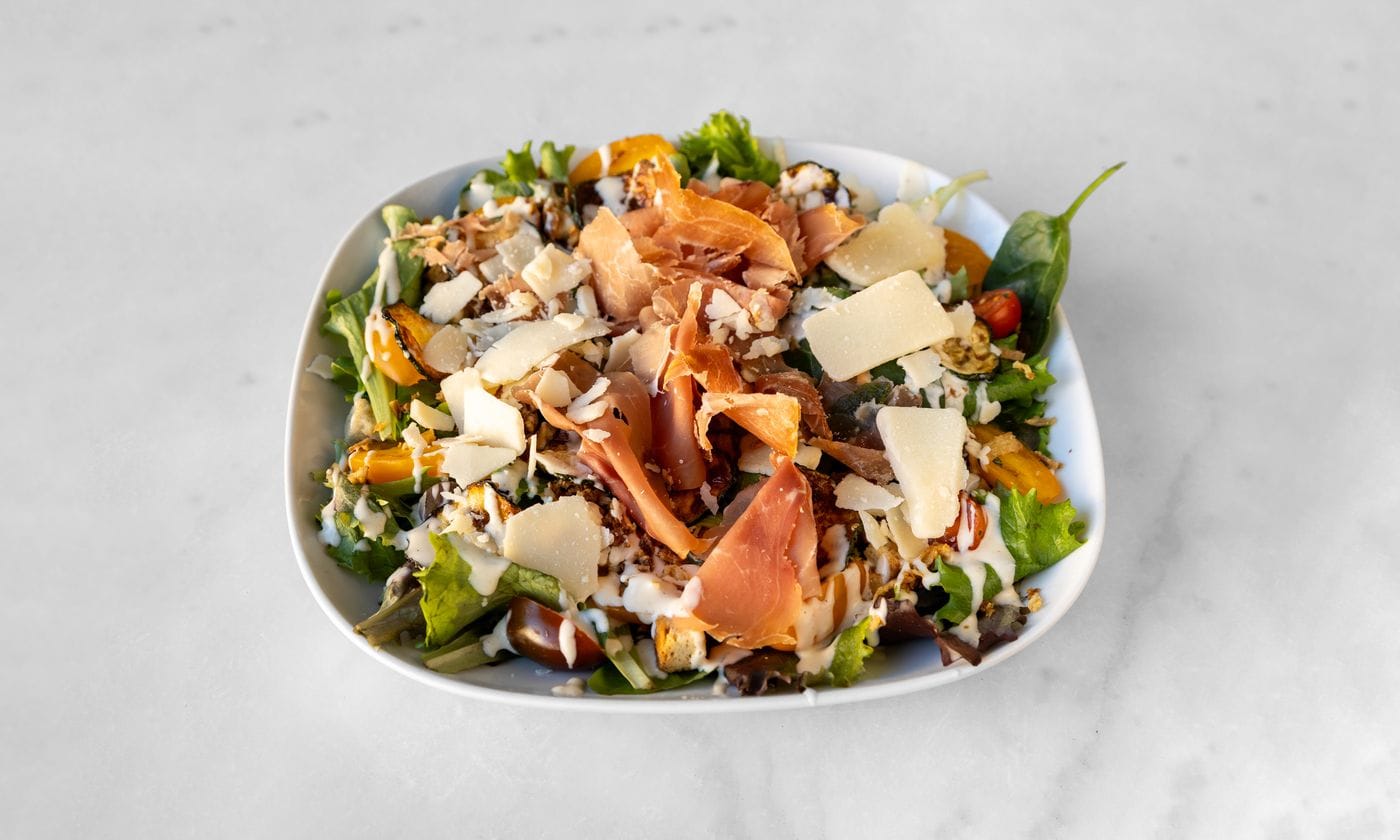
There is no single antipasto but a whole family of preparations. Four groups almost always appear on an Italian platter.
Prosciutto, coppa, bresaola, salami, mortadella: the salty heart of the antipasto, thinly sliced, often paired with melon or figs.
Buffalo mozzarella and burrata reign here. Mozzarella pairs with tomato and basil in the caprese; burrata hides a creamy stracciatella heart. Parmesan or pecorino add variety. To go further on this, read our comparison of burrata and mozzarella.
Marinated peppers, grilled aubergines and courgettes, artichokes, sun-dried tomatoes and olives bring freshness and balance the richer meats.
Bread ties it all together: bruschetta rubbed with garlic and topped with tomato, and soft focaccia to go with meats and cheeses.
Most antipasti are served cold or at room temperature: cured meats, cheeses, marinated vegetables, caprese — ready as soon as the table sits down.
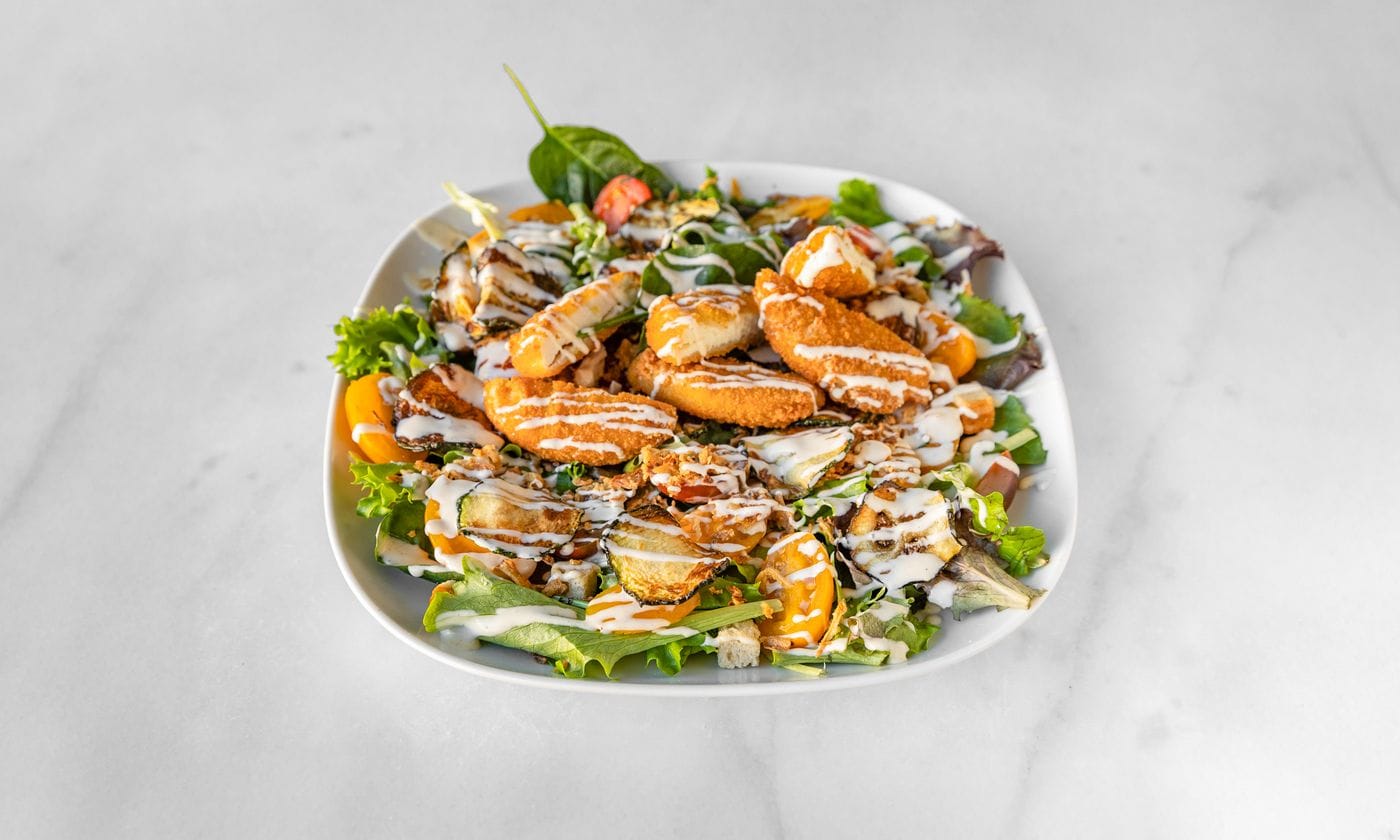
But antipasti can be hot too: arancini, supplì, gratinated vegetables, mussels, mozzarella in carrozza or warm bruschetta. A careful meal often alternates cold and hot. Cold or hot, the antipasto stays light.
Si comincia così
Place des Cardeurs, inside or on the terrace: the antipasti come first, to share, and set the tone of the meal.
Balance beats accumulation: a creamy element (burrata), a fine salty one (cured meat), a tangy or vegetal one (marinated vegetables), and a crunchy one (grissini, toasted bread, olives).
The eye matters as much as the taste: play with colours — red tomatoes, green basil and courgettes, creamy white cheeses, pink meats — in generous little heaps, with good olive oil and warm bread on the side.
“Antipasto” is the singular, “antipasti” the plural. One antipasto is a single preparation; antipasti is the assortment served at the start. “Antipasti misti” is a mixed platter to share.
If the antipasto opens a full meal, count three to five bites per guest: a little meat, some cheese, a couple of vegetables, some bread — enough to whet the appetite.
If the platter becomes the heart of the meal (a dinner-style aperitivo), plan five to eight pieces per person, with more variety. Variety in reasonable amounts beats a mountain of one product.
At Di Micheli, a family trattoria on Place des Cardeurs, antipasti open the meal as tradition intends: creamy burrata, cured ham and grilled vegetables, made in house from fresh produce, placed in the middle of the table to share.
Inside or on the terrace, in the heart of old Aix, our antipasti come before the Neapolitan pizza and the fresh pasta. A deliberately short menu guarantees freshness. Browse the menu or book a table: the meal always begins in the middle.
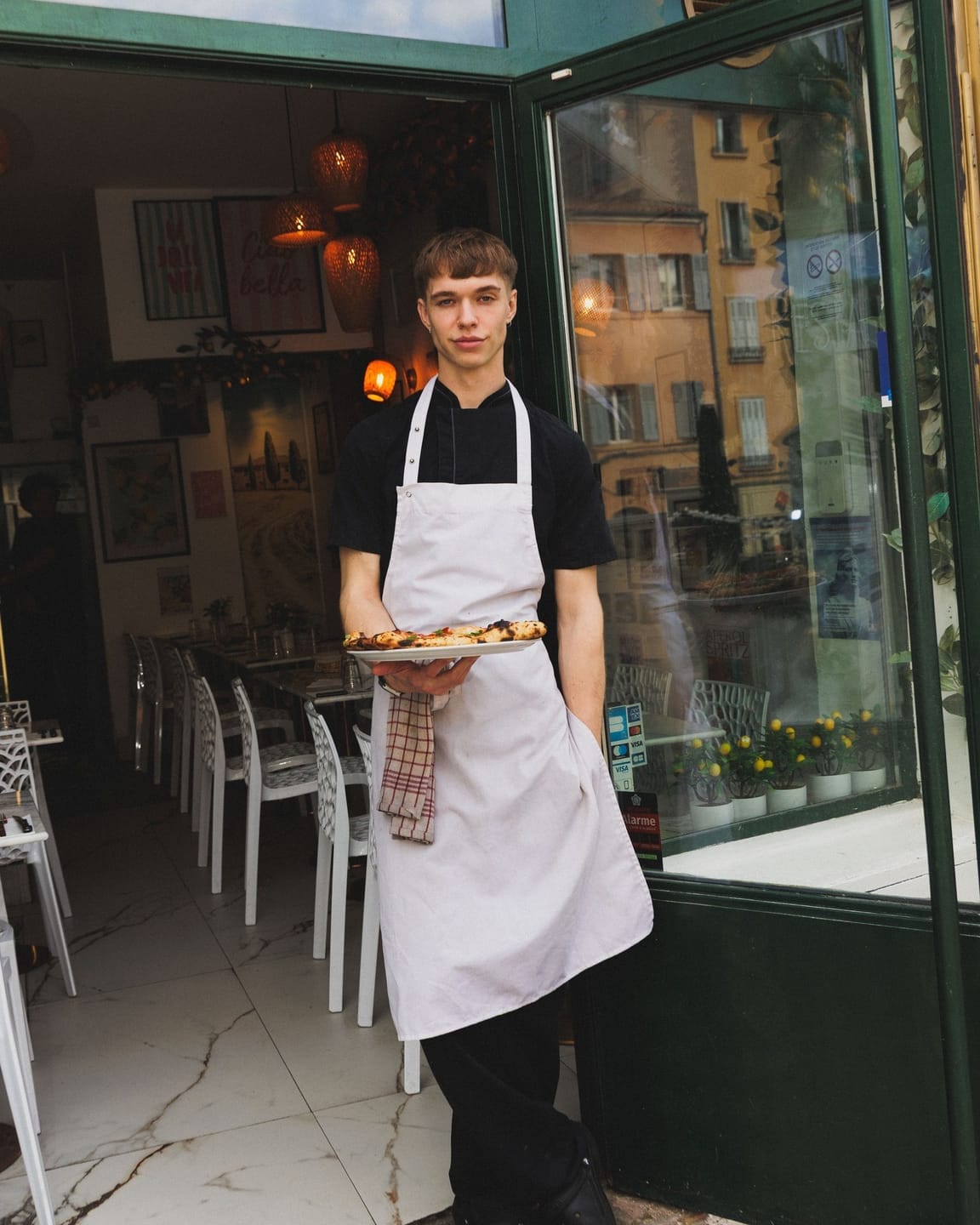
“Antipasti” means “before the meal” in Italian: the Italian starters to share served at the very start of the meal — cured meats, cheeses, marinated vegetables and bruschetta.
Most often cold or at room temperature (meats, cheeses, marinated vegetables). Some are hot, like arancini, fried mozzarella or warm bruschetta. The two are often alternated.
“Antipasto” is the singular, “antipasti” the plural: one preparation vs the assortment served at the start.
No. The aperitivo is nibbling with a drink before sitting down; the antipasto is already the first course of the meal, though it can accompany the aperitivo.
Three to five bites per guest when it opens a full meal; five to eight when the platter is the heart of a dinner-style aperitivo.
The French starter is an individual plated dish; the Italian antipasto is shared and part of a multi-course sequence (antipasto, primo, secondo, dolce).
At Di Micheli, 13 Place des Cardeurs, 13100 Aix-en-Provence, in the pedestrian centre. Our homemade antipasti are served inside and on the terrace, lunch and dinner.
Find our Italian starters and carry on with the trattoria's other guides.
Discover our antipasti italiens Aix-en-Provence, homemade and served to share, on Place des Cardeurs.
Start your Italian meal the way it should be: antipasti to share, on Place des Cardeurs, in Aix-en-Provence.